
A room full of brand new furniture can feel flat, like a showroom nobody lives in. A room full of only old pieces can feel heavy, cluttered, or stuck in another decade. The mix is where the personality lives: a carved oak sideboard beside a clean lined sofa, a gilt mirror above a simple console, a mid century chair next to a plain modern lamp. When the combination works, the room looks collected over time rather than bought in one afternoon.
Mixing vintage and modern is not about matching periods or recreating a specific era. It is about making differences look deliberate. The pieces do not need to agree with each other. They need a few shared threads, color, material, shape, or scale, that tell the eye the combination was a choice.
What Counts as Vintage, and How It Differs From Antique and Retro
Before buying or styling anything, it helps to know what the labels usually mean. The terms get used loosely in shops and listings, so treat them as working definitions.
Vintage generally describes pieces roughly 20 to 100 years old, from a specific earlier period. An antique is typically older than 100 years. Retro is different again: it describes a new item made to look like an older style, such as a reproduction 1950s style armchair.
The distinction matters when you shop. A genuine vintage piece may have solid wood joinery, a worn patina, and dimensions that reflect how people lived decades ago. A retro reproduction gives you the look with modern proportions and materials, usually for less money. Neither is better in every case. The real piece brings character and craft. The reproduction brings predictable size, comfort, and condition. Run a hand along a real vintage top and you can feel the difference: softened edges and a faint smell of old wood.
A common mistake is buying a piece because it is old and assuming age alone makes it good. Age is not quality. A poorly made chair from 1960 is still a poorly made chair. Judge each piece on its own merits: sound joints, a stable frame, a finish you can live with, and proportions that fit your room. A chair that looks charming in a shop can feel hard after twenty minutes at the dinner table, so sit in it before you decide.
The Core Idea: One Style Leads, the Other Supports
Every successful mixed room has a dominant style. One era sets the tone, and the other plays a supporting role. Without a clear leader, the room turns into a tie between two styles.
In most homes, modern works best as the foundation. Contemporary sofas, beds, and dining tables are built for how people live now. Vintage pieces then supply the character: a coffee table, a mirror, a lamp, a chest, a rug, a piece of art.
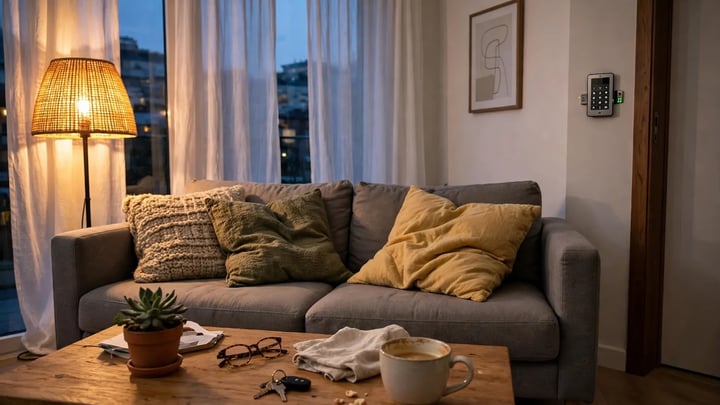
The reverse can work too. If you inherited a full dining set or a bedroom suite, let those pieces anchor the room and bring in modern lighting, bedding, or art to keep it from feeling like a period set. What fails is splitting the room evenly down the middle with no clear leader. A room anchored by inherited pieces can feel warm and settled in the evening, when lamplight catches the old wood, while the modern pieces keep it from feeling stiff.
Start by naming the room in one sentence, such as “warm minimal living room with walnut wood and brass details.” Check every new purchase against it. A great deal on a piece that breaks the plan is still a wrong purchase.
How to Mix Vintage and Modern, Step by Step
1. Start With One Anchor Piece
Pick one piece to build around, and let it set the tone for the room. It might be the piece you already own and love most: a carved sideboard, a patterned armchair, a walnut credenza, a gilt mirror. Everything else supports it.
An anchor earns its place through something you can actually see: expressive wood grain, an unusual profile, or craftsmanship that gets more interesting up close. Size alone does not make a piece worth featuring, so check its proportions against the room before committing.
Once you choose the anchor, resist the urge to surround it with more pieces from the same period. A vintage sideboard with a period mirror, matching candlesticks, and a row of collectibles from the same decade stops looking collected and starts looking like a shop display. Give the anchor one strong companion from the opposite era instead, such as a modern lamp.
2. Use the 80/20 Balance as a Starting Point
Trying to make a room half vintage and half modern sounds fair, but it often creates visual conflict. Two styles fighting for equal attention reads as indecision. A better starting point is roughly 80 percent of one style and 20 percent of the other.
That ratio describes visual weight, not a count of objects. A tall oak armoire can supply most of the vintage presence in a bedroom while a handful of old ceramics barely registers.
If you already own mostly older furniture, reverse the ratio. A contemporary pendant above an inherited dining set, or modern bedding on a vintage bed frame, may be enough to shift the room. Live with the combination for a few weeks before adding more. It is easy to add, and much harder to edit once the room is full.
Give the mix time to settle. A room that looks balanced in bright shop light can feel heavy on a grey morning, so live with it for a few ordinary evenings and notice whether you relax into it. That feeling is a better test than any photo.
3. Let Color Connect the Eras
Color is the fastest way to make pieces from different decades look like they belong together. Pieces that share nothing in style can still feel unified when they share a color.
Pick a simple plan and stick to it. Two neutrals plus one accent color is a reliable formula. A warm palette or a cool palette, but not both at once, keeps the room from pulling in two directions.
A practical way to build the palette is to pull a color from the vintage piece itself. A rust detail in an old print can reappear in a throw pillow, and an olive tone in a patterned rug can show up in a cushion. Small repeats across the room are enough to tie the pieces together.
Some combinations that tend to work well: cream, walnut, and black for a warm neutral room; white, charcoal, and chrome for a cool one; ivory, deep green, and warm wood when you want more color. Check colors in the room’s actual light. Product photos and shop lighting are unreliable for judging subtle tones.
4. Match Wood Undertones, Not Exact Finishes
Wood tone chaos is one of the biggest reasons a mixed room looks random. You do not need every wood to match. In fact, exact matches can look worse than clear differences, because two medium brown finishes that almost match look like a mistake. What matters is undertone.
Think in three groups. Warm undertones cover oak, cherry, mahogany, and teak. Cool undertones cover ash, grey washed finishes, and charcoal stains. Walnut sits in the middle and bridges both sides.
The floor is usually the largest wood surface in the room, so start there. Does it lean honey colored, reddish, or grey? Hold a finish sample near it in daylight if you can. For a first mix, choose woods with a related undertone but a visible difference in depth. Honey oak and darker walnut can sit comfortably together when both carry some golden color.
Grain matters too. A glossy tabletop attracts more attention than a matte surface of a similar shade, and dramatic figuring on one piece calls for quieter grain nearby. In morning light, honey oak can glow warm and soft, while a cool grey wash can feel calm and quiet. A matte surface feels warmer to the fingertips than a hard glossy one. If two wood tones still clash, use a buffer between them, such as a rug, a stone top table, or a metal leg piece.
5. Repeat One Thread at Least Three Times
A room stops looking random when it repeats a few consistent threads. You do not need everything to match. You need a few things to repeat, and the eye starts reading the room as cohesive once the same thread appears about three times.
Choose one or two threads to repeat, a wood tone, a metal finish, a shape such as rounded edges, a texture such as linen or leather, or an accent color, and place that thread in three spots around the room.
A simple example: a modern sofa with black legs, a vintage side table with black details, and a black frame on the artwork. Suddenly the mix feels planned.
6. Get Scale and Visual Weight Right Before You Worry About Style
Scale matters more than style. A delicate antique chair looks toy sized next to an oversized modern sectional, and a huge vintage armoire overwhelms a room full of low modern pieces.
Pair heavy with heavy and light with light. A solid carved cabinet needs a substantial sofa beside it, not a slim armless chair. A spindly vintage side table works beside a low profile modern sofa, not beside a deep sectional.
Practical checks help. A side table usually works best when its top sits within about 2 inches of the sofa arm height, so a drink or a book is easy to reach. That is a common planning range from layout guides, not a fixed standard. A coffee table generally sits about 14 to 18 inches from the sofa, close enough to reach and far enough to walk past. A rug should be large enough that at least the front legs of the main seating land on it.
Also check the less glamorous details, because these are the ones that irritate you every day. Do the chair arms fit beneath the table? Is the vintage side table high enough to reach from the sofa without stretching? A combination that looks right in a photograph can feel awkward in daily use, with a coffee cup always just out of reach.
7. Mix Silhouettes and Lines
You do not need to become a furniture historian to put a mixed room together. Start by looking at outlines. Modern furniture often has straight lines and sharp edges, while vintage pieces often bring curves, carving, and rounded backs.
A rounded chair can soften the corner beside a rectangular sofa. A straight legged table can give elaborate dining chairs a simpler setting. A circular mirror or a curved vase can add variety beside a rectangular console.
A shared line helps bridge a bigger stylistic gap. The curve of an antique pedestal table might echo a contemporary chair back, even when their materials differ completely. One connection is often enough.
8. Use Lighting and Hardware as Bridges

Lighting and hardware are small, relatively affordable, and surprisingly powerful at shifting the balance of a room. If a room already contains several antiques, a pendant with a simple outline can introduce a contemporary note. In a spare modern interior, a vintage fixture may give the room its personality.
For a vintage table lamp, consider the shade as carefully as the base. The shade should suit the lamp’s proportions, and its lower edge should generally hide the socket from normal viewing positions. Have older wiring checked by a qualified electrician before use.
Hardware works at a smaller scale. New kitchen cabinetry can take cues from the rounded pulls on a vintage cupboard nearby, even if the finishes differ. On an older piece, keep distinctive original fittings where they are sound, and match the existing hole spacing if replacements are necessary, to avoid drilling new holes into old wood.
9. Style Surfaces With Breathing Room

The trouble with a vintage heavy room often begins on top of the furniture. A vintage sideboard acquires a period mirror, then matching candlesticks, then a row of collectibles. Soon everything in that corner points to the same decade.
Break up the arrangement. Move the mirror elsewhere and try one larger contemporary artwork above the sideboard. Leave enough surface clear to set down a drink or serve dinner. A good piece does not need another good piece directly above it.
Collections can stay, but they need a boundary. Gather small objects on one shelf so their repetition has a clear limit, then leave adjacent shelves less crowded. If the room still feels staged, take a photograph from the doorway. It is easier to spot five equally busy surfaces in a flat image than while standing among things you love.
10. Know Where Vintage Is Worth It and Where Modern Is Smarter
Not every category performs well vintage. Some pieces are easier to buy modern for comfort and function, then layer vintage around them.
Vintage often works best for side tables, cabinets and consoles, art and frames, lighting, mirrors, and decorative chairs that are not your daily comfort seat.
Modern is often smarter for sofas and sectionals, because comfort and support matter every evening; for beds, because a rickety frame gets annoying fast; for everyday dining chairs, because stability matters at every meal; and for storage you open daily, because modern drawer slides perform better than most old mechanisms.
This is not a strict rule. A well built vintage dining chair can be perfectly comfortable, and a cheap modern sofa can be a bad buy. But as a starting point, build your functional base from modern pieces, then add vintage style through accents and secondary pieces. You feel the difference every evening: a sofa that supports your back, a bed that does not creak when you turn over, a drawer that glides open with one hand. These small comforts are why the pieces you touch most deserve to work well first.
Room by Room: Vintage Modern Combinations That Work
Living Room

Start with a comfortable modern sofa in a neutral fabric and a simple modern coffee table. Then layer in vintage character: a pair of old brass lamps, a stack of secondhand art books, and one hero piece such as a carved sideboard or an antique trunk.
Planning a smaller space around a vintage anchor piece? Our guide to small living room ideas shows how to fit character pieces into a tight layout.
Choosing the modern sofa that will anchor the mix? See our guide to how to choose the right sofa size before you buy.
Love a bold, layered look rather than a quiet one? Our guide to maximalist living room decor shows how to pile on pattern and objects without losing control.
Dining Room

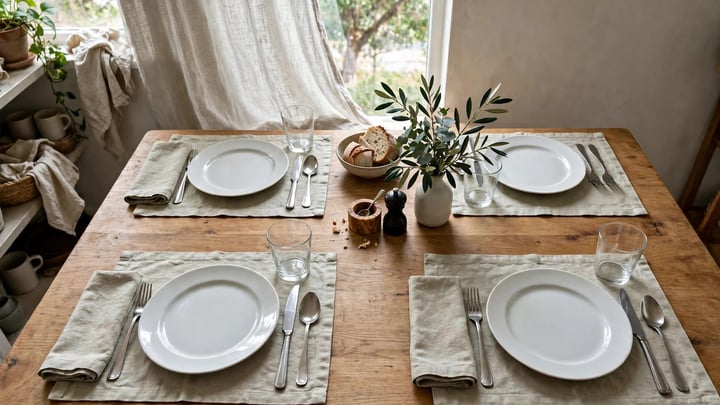
Two reliable mixes work here: a vintage table with modern chairs, or a modern table with vintage upholstered chairs.
Check the fit before you commit. A vintage pedestal table leaves space for contemporary chairs, but check the base against their legs. Dining chairs from different sets can sit together when they share a seat height and a similar silhouette. If you prefer to keep an inherited dining set together, change the fixture above it. One modern change can be enough to shift the whole room.
Bedroom

A clean mix for the bedroom is a modern bed frame for stability, vintage nightstands for warmth, modern lamps to unify the pair, and a vintage mirror above the dresser. Different bedside tables work best when their tops sit at similar heights relative to the mattress. Choose lamps that bring the reading light to comparable heights. Identical bases are not necessary.
Bedding is another easy bridge. Plain modern bedding calms a room full of vintage wood, and a vintage quilt or throw at the foot of the bed adds pattern without overwhelming the space.
Mornings tell you whether the bedroom mix works. Soft light on old wood, a quilt that feels warm over your shoulders, a mirror that catches the first daylight without glare: these details make a bedroom feel restful.
Kitchen
A freestanding vintage piece can store serving dishes alongside contemporary fitted cabinetry. A vintage cupboard or an old dresser converted to a sideboard works, as long as the piece has a clear job. Measure the doors’ full swing and the remaining passage before bringing it home.
Vintage stools at a modern island are another easy combination, but check the seat height against the counter. Counter height seating usually needs a seat around 24 to 26 inches high, while bar height needs around 28 to 30 inches. Those are common planning ranges, so measure your own counter rather than trusting a label.
Bathroom
A vintage mirror above a contemporary vanity introduces an older silhouette with relatively little disruption. Check the frame’s condition and whether it suits the room’s moisture levels.
Converting an antique chest into a vanity is a larger undertaking. Plumbing clearance, water protection, and a properly sealed top all need resolving before the first cut. For most homes, the mirror or the lighting gives the bathroom its character with far less risk.
Home Office
A vintage desk can be the hero piece of a home office, but check that it fits your work. Older desks are often narrower and shallower than modern ones, and a laptop, a monitor, and a keyboard need real surface area. Pair it with a modern ergonomic chair: the desk supplies the character, and the chair supplies the comfort for long workdays.
A vintage desk lamp with a warm bulb can sit beside a modern monitor without clashing, as long as the light reaches the work surface. Keep the desk surface mostly clear. A cluttered desk in a mixed style room reads as messy twice as fast.
How to Judge a Vintage Piece Before You Bring It Home
Buying vintage rewards a careful eye. A few checks before you pay can save you from a piece that looks good in a shop and fails at home.
Check the structure first. Sit on chairs, open drawers, wiggle tables, and look underneath. Joints should feel solid, not wobbly, and drawers should slide without sticking or dropping.
Look at the finish honestly. Patina is the soft wear that comes from decades of use, and it is part of what makes a vintage piece appealing. Damage is different: deep scratches through the finish, water rings that have lifted the veneer, cracked joints, or missing pieces. Patina adds character. Damage costs money to repair. Smell matters too. Old wood carries a faint, dry scent that most people find welcoming, while a musty smell can linger for months and make a room feel stale.
Measure everything, twice, including doorways, stair turns, and elevator dimensions if you live in an apartment building. A beautiful armoire that cannot get through the front door is not a bargain.
Ask about safety. Furniture painted before 1978 in the United States may contain lead paint, so a painted vintage piece from that era should be treated with care, especially in a home with young children. If you plan to strip or sand it, check current guidance from the Environmental Protection Agency first. Old lamps and fixtures should have their wiring inspected by a qualified electrician before use.
Finally, consider the repair budget. A loose joint or a missing knob is a small fix. A broken frame, a warped top, or a full reupholstery job can cost more than buying a similar piece in better condition. Factor the repair into the price before you decide the piece is a deal.
Common Mistakes to Avoid
Where this usually goes wrong is buying too many vintage pieces at once. A room fills up faster than expected, and each new find pushes the balance further toward the antique shop look. Buy one piece and live with it before deciding what the room still needs.
The trap here is grouping all the vintage pieces together. Putting every old item in one corner creates a theme corner while the rest of the room stays modern. Weave the eras across the room instead: a vintage table next to a modern sofa, a modern lamp on a vintage dresser, vintage art above a clean modern console.
A common mistake is ignoring comfort. A beautiful vintage chair that nobody wants to sit in is decoration, not furniture. A chair that looks lovely from the doorway can feel stiff after ten minutes, and guests will quietly avoid it. Keep the pieces you use every day comfortable.
Forcing a match is another trap. Two medium brown wood finishes that almost match look like an error, while a clear contrast looks intentional. The same applies to metals: mixed metals work when one finish clearly leads and the others appear in small doses.
Leave out the edit and the room stays busy. Every room needs a moment when you remove something. If a surface is full or a corner feels busy, take one thing away and live with the gap. The gap often feels like a relief, a clear surface where your eyes can rest.
Frequently Asked Questions
Can you mix vintage decor with modern furniture?
Yes. Connect the pieces through a shared color, finish, or shape. Start with one noticeable vintage accent, then adjust nearby accessories before changing larger furniture.
How much vintage should a modern room have?
There is no fixed percentage that works everywhere. A useful starting point is roughly 80 percent of one style and 20 percent of the other, measured by visual weight rather than by counting objects.
Do vintage and modern pieces need to be from the same period?
No. What matters is a shared thread: a color, a wood undertone, a repeated shape, or a similar scale. A 1920s mirror and a 1960s chair can sit comfortably in the same modern room when they share a finish or a line.
Is it cheaper to decorate with vintage pieces?
Sometimes, but not always. Secondhand furniture can cost less than new pieces of similar quality, especially solid wood case goods. Repair, reupholstery, delivery, and restoration can erase the savings, so factor those costs in before you buy.
Where should I start if my home is entirely modern?
Start with one piece you genuinely want to own, not with a shopping list. A vintage rug, a mirror, or a lamp is a low risk first step because it changes the feel of the room without changing how the room works. Live with it for a few weeks and let the next piece follow from that.
Conclusion
Mixing vintage and modern decor works when a few choices are made on purpose. Pick a dominant style and let the other support it. Use color as the glue, match wood undertones rather than exact finishes, and repeat one thread at least three times. Get the scale right and keep the pieces you use every day comfortable.
The goal is not a room that looks like a museum or a showroom. It is a room that looks like someone lives there, with pieces that earned their place one at a time. Start with one piece you love, add slowly, and edit honestly.
Want the vintage pieces to lift your mood instead of weighing the room down? Our guide to dopamine decor explains how color and playful objects change how a room feels.
Mixing old wood with new pieces and want the result to last? Our guide to sustainable interior design ideas covers choosing pieces that stay in use for years.
A vintage cabinet can hold more than dishes, and plants soften the mix beautifully. Our guide to indoor plants shows which ones suit each room.




Leave a Reply
You must be logged in to post a comment.